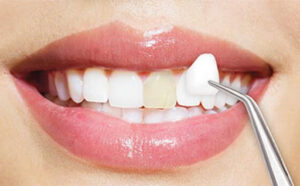
Among popular cosmetic dental services, dental veneers are custom-made shells made of different materials that cover the exterior of your teeth and improve their appearance. If you suffer from cosmetic issues regarding your teeth, veneers may be your best option. Whether you have chipped or cracked your teeth in an accident, discolored them from years of drinking coffee, or even if you are unhappy with the natural size and color of your teeth, veneers can help you with that. According to an experienced cosmetic dentist in Toronto, veneers are custom-made to fit your teeth and are usually used to cover the front teeth as they impact your smile’s appearance the most. You can cover a single problematic tooth or multiple to get a more harmonious appearance. Depending on their material and use, there are different types of veneers to choose from. We have reviewed the most common types of veneers in order to help you select the type that is appropriate for you and your needs.
Porcelain Veneers
Porcelain is the most common and most popular material used for dental veneers. Porcelain veneers owe their popularity to their tooth-like appearance and durability. Getting porcelain veneers usually takes about 2_3 sessions. You will have to get temporary veneers for some time before your permanent ones to protect your shaven enamels in between sessions and test the overall feel and look of your veneers before making them permanent. The color of porcelain veneers is customizable, but they can closely mimic your teeth’ natural color. They are also very secure, long-lasting, and stain-resistant. These veneers can last up to 15 years. However, your dentist will have to shave down a considerable amount of your enamels before attaching them, and they are also costly.
Composite Resin Veneers
Resin is a cheaper alternative to porcelain and can also be a good option. Resin veneers also require less enamel removal. You can usually get them in 1 session. Repairing resin veneers is also much easier than porcelain ones. Having said that, resin veneers are less durable and may only last you for a short time. Most resin-based veneers will last around 5 years. They might also get stained over time.
No-Prep Veneers
In recent years, certain brands of veneers have been introduced that require way less preparation. Your teeth require less enamel shaving than traditional veneers. They also take less time to apply, and you can get them done faster. You won’t have to wear temporary veneers before no-prep and probably won’t need local anesthetics. Unlike other types, no-prep veneers are reversible but may detach more easily due to less enamel shaving. These types of veneers are also thinner than other types and might be more comfortable but may offer less coverage for discolored teeth.
In the end, if you want to get veneers, you need to consider all aspects, like your budget, dental problems, and preferences. Veneers can be a permanent change to your appearance, so make sure to research and consult your dentist to make the best choice for your oral health and appearance.